A blog set out to explore, archive & relate plastic pollution happening world-wide, while learning about on-going efforts and solutions to help break free of our addiction to single-use plastics & sharing this awareness with a community of clean water lovers everywhere!
Showing posts with label Oestrogenic Chemicals. Show all posts

Wednesday, October 3, 2018

Beer, Drinking Water and Fish: Tiny Plastic is Everywhere


Published August 20, 2018 on NPR's All Things ConsideredTwitterChris Joyce/NPRENVIRONMENT
We're Drowning In Plastic Trash. Jenna Jambeck Wants To Save UsChris Joyce/NPRGOATS AND SODA
An Indian State Bans Plastic Bags, Straws And More. Will It Work?Chris Joyce/NPRHERE & NOW COMPASS
In Thailand, 17 Pounds Of Plastic Kills Whale, Highlighting Ocean PollutionEnlarge this imageChris Joyce/NPR
Plastic also attracts other chemicals in the water that latch onto it, including toxic industrial compounds like polychlorinated biphenyls, or PCBs. Plastic becomes a chemical Trojan horse.Enlarge this imageChris Joyce/NPRx


CHRISTOPHER JOYCE


Ecologist Chelsea Rochman (left) and researcher Kennedy Bucci dig through washed-up debris along Lake Ontario. They're looking for small particles of plastic that make their way into oceans, rivers and lakes.

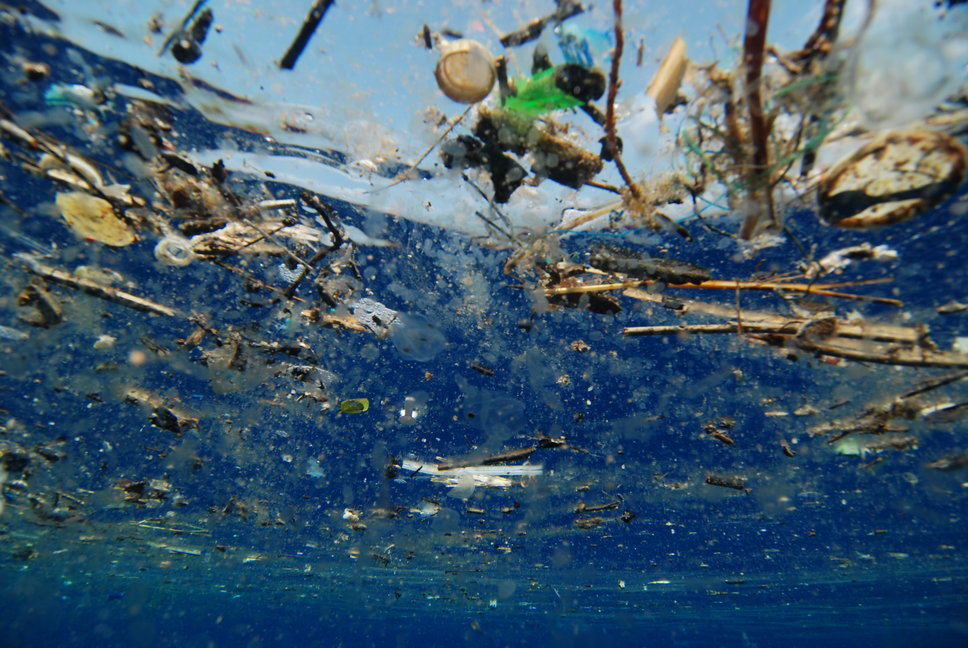
Plastic trash is littering the land and fouling rivers and oceans. But what we can see is only a small fraction of what's out there.

Since modern plastic was first mass-produced, 8 billion tons have been manufactured. And when it's thrown away, it doesn't just disappear. Much of it crumbles into small pieces.

Scientists call the tiny pieces "microplastics" and define them as objects smaller than 5 millimeters — about the size of one of the letters on a computer keyboard. Researchers started to pay serious attention to microplastics in the environment about 15 years ago. They're in oceans, rivers and lakes. They're also in soil. Recent research in Germany found that fertilizer made from composted household waste contains microplastics.

And, even more concerning, microplastics are in drinking water. In beer. In sea salt. In fish and shellfish. How microplastics get into animals is something of a mystery, and Chelsea Rochman is trying to solve it.

Rochman is an ecologist at the University of Toronto. She studies how plastic works its way into the food chain, from tiny plankton to fish larvae to fish, including fish we eat.

She says understanding how plastic gets into fish matters not just to the fish, but to us. "We eat fish that eat plastic," she says. "Are there things that transfer to the tissue? Does the plastic itself transfer to the tissue? Do the chemicals associated with the plastic transfer to the tissue?"

Bucci uses a microscope to look at a fathead minnow larva that has ingested plastic particles.

Rochman says she has always loved cleaning up. She remembers how, as a 6-year-old, she puzzled her parents by volunteering to clean the house.

In high school in Arizona she got even more ambitious. "I used to take my friends into the desert and clean up a mile of trash every Earth Day," she says. "I remember finding weird old dolls and strange old toys that I thought were creepy, but that I would also keep."

As a graduate student, she landed a spot on a research vessel to visit the infamous floating garbage patch in the Pacific Ocean. She and the other scientists on the trip were supposed to count the plastic as it drifted by.

She remembers the moment they sailed into the patch, "Everyone runs up to the bow and says, 'There's trash, there's trash, everyone start counting the trash.' And so we all start counting the trash."

But something was wrong. "We're looking and it's, like, basically a soup of confetti, of tiny little plastic bits everywhere," she remembers. "Everyone just stops counting. [They] sat there, their backs up against the wall and said, 'OK, this is a real issue, [and it's] not an island of trash you can pick up."

To Rochman, a third thing was also clear: "The tiny stuff, for me as an ecologist, this is really getting into the food chain. You could spend a career studying this stuff."

So she did.

Microplastics found along Lake Ontario by Rochman's team

A world of plastic

A typical day for Rochman might start alongside sparkling Lake Ontario, where parks line the shore and joggers and picnickers enjoy the shoreline scenery. The lake, however, hides a mostly invisible menace.

To see it, Rochman's student, Kennedy Bucci, brings us to an inlet that's ankle-deep in washed-up debris. An apartment building looms overhead. They squat down, reach into the muck and quickly find what they're looking for. "I'm digging and just finding more and more," Rochman says. "Like whole bottle caps. This is insane."

"It's so ingrained in the soil," says Bucci.

She comes here regularly to collect plastic for Rochman's research. They work quickly, filling a jar with bits of plastic. Rochman, who's not wearing gloves, inadvertently picks up something she wishes she hadn't. "Oh!" she laughs, flinging it aside. "That's why you've got gloves on," she tells Bucci, and then gets right back to digging.

Since she started studying microplastics, Rochman has found them in the outflow from sewage treatment plants. And they've shown up in insects, worms, clams, fish and birds.

Rochman's scientific team drops a net into a stream in Toronto to collect tiny floating pieces of plastic.

To study how that happens, Bucci makes her own microplastics from the morning's collection. She takes a postage stamp-size piece of black plastic from the jar, and grinds it into particles using a coffee grinder. "So this is the plastic that I feed to the fish," she says.

The plastic particles go into beakers of water containing fish larvae from fathead minnows, the test-animals of choice in marine toxicology. Tanks full of them line the walls of the lab.

Bucci uses a pipette to draw out a bunch of larvae that have already been exposed to these ground-up plastic particles. The larva's gut is translucent. We can see right into it.

"You can see kind of a line of black, weirdly shaped black things," she points out. "Those are the microplastics." The larva has ingested them.

Rochman says microplastic particles can sicken or even kill larvae and fish in their experiments.

Plastic can also get into fish tissue, particularly plastic fibers from clothing such as fleece. Rochman found fleece fibers in fish from San Francisco Bay. She also looked in fish from Indonesia, a tropical country whose residents are not known for dressing in fleece. She found plastic in Indonesian fish guts, but no fibers, suggesting that fish bodies tell a story about what kind of plastic resides in local waters.

Rochman took this line of research a step further when she bought a washing machine for her lab and washed fleece clothing. Lots of plastic fibers came out in the filter she added to collect the wastewater. In fact, she has found microplastics floating in the air. "If you put a piece of double-sided sticky tape on a lab bench for an hour, you come back and it's got four plastic fibers on it," she says.

Resilient, durable and potentially dangerous

Most plastic is inert; it does not readily react chemically with other substances, and that's one reason it has been so successful. Plastic is resilient, durable and doesn't easily degrade. It's a vital part of medical equipment and has revolutionized packaging, especially food storage.

But, over time, plastic can break down and shed the chemicals that make it useful, such as phthalates and bisphenol A. These substances are common in the environment and their effects on human health are of concern to public health scientists and advocates, but few large-scale, definitive studies have been done.

Researcher Kennedy Bucci collects plastics from the shore of Lake Ontario in Toronto.

Tracking all those chemicals is researcher Clara Thaysen's job.

"Right now we're starting with the common types of plastic, so polyethylene, polypropylene [and] polystyrene," she explains.

"But, there's..." she pauses and sighs. "There's tons." Plastic comes in many forms, with a wide variety of chemical additives depending on how the plastic is used. What happens to plastic over decades just hasn't been studied deeply.

"This happens all the time," says Thaysen. "We invent something that seems really great and ... we don't think and we become so dependent on it."

Rochman notes that this kind of research is relatively new; most of the environmental studies on microplastics have come out within the past 10 years.

"The things we don't know," she says, are daunting. "What are all the sources where it's coming from, so that we can think about where to turn it off? And once it gets in the ocean, where does it go? Which is super-important because then we can understand how it impacts wildlife and humans."

She says she's ready to spend the rest

Friday, September 30, 2016

Award-nominated film finds its facts from Brunel

published Sept. 29 by Brunel University in London 

Marine litter
An eye-popping film about plastic pollution featuring environmental science pioneered at Brunel is up for a leading industry award.
A Plastic Ocean is up for best documentary at this week’s Raindance Film Festival. It tells the insidious tale of the millions of tonnes of plastic litter turning the world’s seas into a toxic plastic soup.
In it, Ecotoxicology Professor Susan Jobling, explains the hormone-disrupting effects of chemicals linked to plastic pollution. Professor Jobling, Director of Brunel’s Institute of Environment, Health and Societies appears alongside other leading scientists and Sir David Attenborough.
“It is quite powerful. Shocking even in places,” said researcher Dr Christopher Green, one of the Brunel team of scientific advisors.
A Plastic Ocean is produced by BBC Blue Planet producer, Jo Ruxton and told though the eyes of journalist Craig Leeson and free diver, Tanya Streeter. It shows how plastic marine litter harms wildlife, the environment, and potentially human health. A South Pacific islander tells how the pools she swam and fished as a child are contaminated by plastic waste, saying it has ‘destroyed our paradise’.
Brunel got on board as scientific advisors when the team asked Professor Jobling to talk about endocrine disruption and how chemicals associated with plastic can affect the hormone system. In the early 90s, Professor Jobling was one of the first researchers to show chemicals in plastics can mimic the female sex hormones, oestrogens. In the film, she explains how these chemicals can interfere with reproduction and development and their links to hormone related diseases. “Endocrine disruption in aquatic wildlife was pioneered here at Brunel,” Dr Green explained.
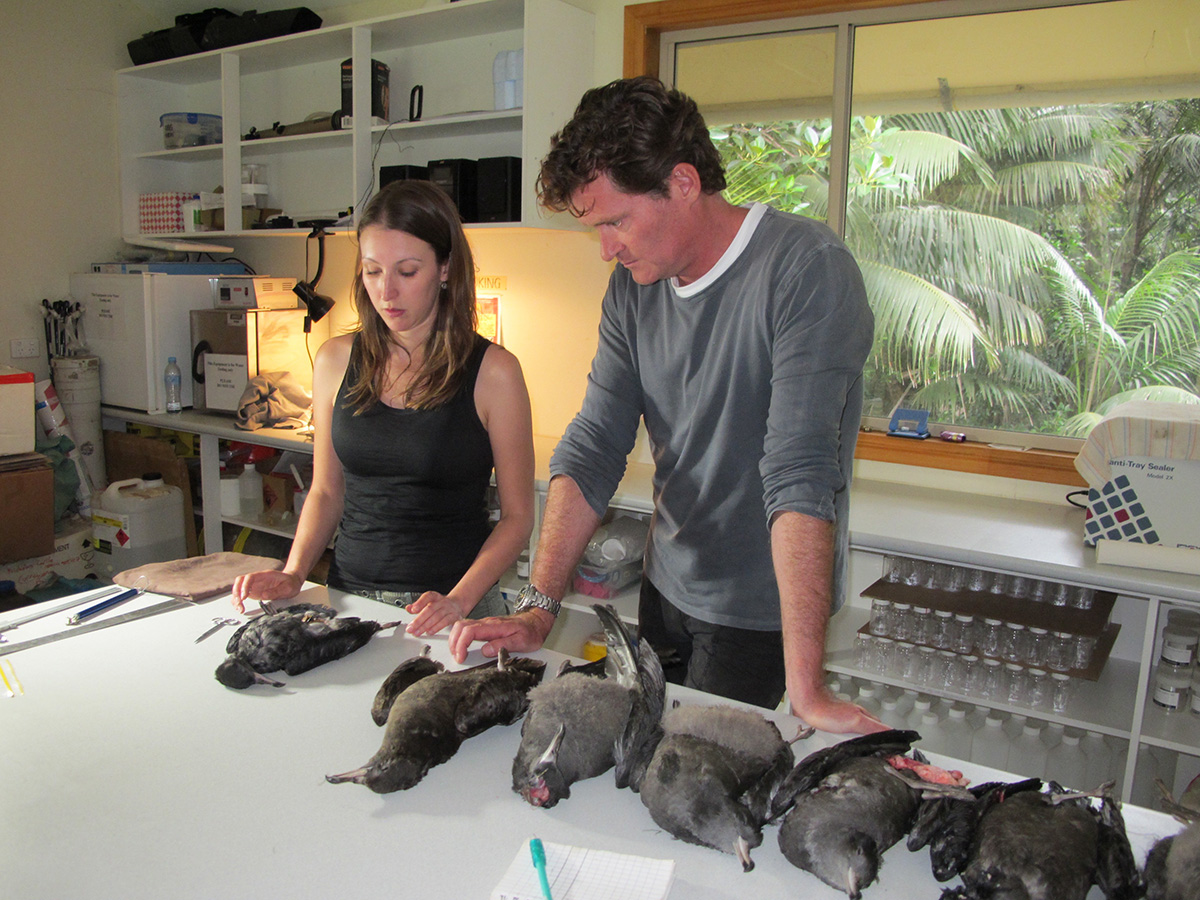
Dead seabirds Image Plastic Oceans Foundation
An alarming statistic is that 90 per cent of seabirds are likely to have swallowed plastic. Without intervention, by 2050, 99% of sea bird species will have consumed plastic.
"I hope it will make people really think about how they use plastics and make them wonder for example if they really need a plastic drinking straw or a single use plastic bottle. I hope it starts to resonate with manufacturers, with industry and government and drives a wave of change towards a more sustainable future. Whatever happens, Brunel will be part of that change, through our innovative multi-disciplinary research."
Professor Jobling, who is researching public attitudes and understanding of plastic pollution with Brunel media sociologist, Lesley Henderson is calling for research into recycling and re-use of plastics. “Only 14% of plastic packaging is collected for recycling,” she said. “We need a new future for plastic."
• The Raindance Film Festival winners will be announced on September 30. Find out about Brunel’s Institute of Environment, Health and Societies here.  Learn more from Plastic Oceans Foundation. Images courtesy of Plastic Oceans Foundation.

Thursday, February 5, 2015

New Link in the Food Chain? Marine Plastic Pollution and Seafood Safety


Published in Environmental Health Perspectives | February 2015 by Nate Seltenrich

Nate Seltenrich covers science and the environment from Petaluma, CA. His work has appeared in High Country News, Sierra, Yale Environment 360, Earth Island Journal, and other regional and national publications.


PDF icon PDF Version (4.4 MB)
In recent years plastic pollution in the ocean has become a significant environmental concern for governments, scientists, nongovernmental organizations, and members of the public worldwide. A December 2014 study derived from six years of research by the 5 Gyres Institute estimated that 5.25 trillion plastic particles weighing some 269,000 tons are floating on the surface of the sea.1

At the same time, plastics in consumer products have become subject to increasing scrutiny regarding their potential effects on human health. Bisphenol A (BPA),2 a component of polycarbonate plastics and suspected endocrine disruptor, is one of the most widely known chemicals of interest. But BPA is only one of many monomers, plasticizers, flame retardants, antimicrobials, and other chemicals used in plastics manufacturing3 that are able to migrate into the environment.

At the junction of these two lines of inquiry is an emerging third field that is in many ways even more complex and less well understood: investigating human exposures to and potential health effects of plastics that have entered the marine food chain. Studies have demonstrated plastics’ tendency to sorb (take up) persistent, bioaccumulative, and toxic substances, which are present in trace quantities in almost all water bodies.4

The constituents of plastics, as well as the chemicals and metals they sorb, can travel into the bodies of marine organisms upon consumption,5,6,7,8,9 where they may concentrate and climb the food chain, ultimately into humans. This topic has attracted interest and funding from the U.S.

Environmental Protection Agency (EPA), the National Oceanic and Atmospheric Administration (NOAA), and the National Academy of Sciences (NAS), as well as researchers, nonprofit groups, and institutions around the world.

At this point “there are more questions than answers,” says Richard Thompson, a professor of marine science and engineering at England’s Plymouth University. Thompson coined the term “microplastics” in 200410 and later undertook a three-year study of these particles in the marine environment for the UK’s Department of Environment, Food, and Rural Affairs.11,12,13 “From a human perspective,” he says, “at the moment I think there’s cause for concern rather than cause for alarm.”

Viewpoints on the human health risks of marine debris are nearly as complex as the underlying science, as was evident at an inaugural EPA and NAS symposium on the topic held in Washington, DC, in April 2014.

In addition to myriad small details, the researchers in attendance considered an overarching question: Within the context of limited oceanographic research funding, the variety of other problems affecting ocean health (including overfishing and acidification), and the extent of humans’ daily and direct exposures to potentially harmful chemicals from consumer plastics and other sources—how concerned should we be about marine plastics as far as human health goes?

Researchers don’t yet have an answer, even if they believe they’re asking the right question. As EPA chemist Richard Engler concluded in a 2012 review, “While current research cannot quantify the amount, plastic in the ocean does appear to contribute to [persistent, bioaccumulative, and toxic substances] in the human diet.”14


Plastic Vectors

The path from plastic pollution to chemical exposure through seafood is a long one, figuratively and often literally, and tracing all the individual steps in that theoretical journey is not the same as identifying human health effects, researchers say. Actual exposures, which are determined by innumerable variables along the way, including seafood consumption, still need to be quantified. Then these levels must be evaluated within broader contexts of consumer plastic use and environmental pollutant levels.

Exposures to plastic debris have been clearly documented for marine organisms at all trophic levels (i.e., positions within the food chain), says Bradley Clarke, a lecturer at RMIT University in Melbourne, Australia. “What remains to be determined is whether this exposure increases the body burden of … marine organisms in the natural environment and if it does, by what magnitude,” Clarke says.

There is a lack of controlled experimental work completed on the topic, Clarke adds, and it’s very difficult to disentangle pollutant exposures and bioaccumulation via plastic versus food and environmental sources. Uncertainties also surround the transfer of plastic additives to marine organisms and resultant human exposures through seafood.

We do know that plastic has become nearly ubiquitous on the planet. It has washed up on the most remote beaches, amassed in distant gyres, and been discovered in the bodies of dead organisms from fish to birds to whales.15,16

Numerous efforts have sought to quantify the amount of plastics floating on or present throughout the ocean environment, and they’ve arrived at vastly different numbers. The 5 Gyres paper1 was preceded in July 2014 by a similar study suggesting that between 7,000 and 35,000 tons of plastic are floating on the ocean’s surface.17

Anna-Marie Cook, one of two EPA lead scientists investigating the potential health effects of marine plastics, believes that estimates calculated through the use of surface trawl nets, including both of the recent global studies, vastly underestimate the scope of the problem. “Slightly more than half of all plastic is negatively buoyant, meaning that it will sink upon reaching the ocean, either into the near-shore sediment environment or to the ocean floor,” she explains. “Surface trawls do not account for the fraction of plastic in sediments, on the ocean floor, or suspended past the top few feet of the water column.”

World plastics production has experienced almost constant growth for more than half a century, rising from approximately 1.9 tons in 195018 to approximately 330 million tons in 2013.19 The World Bank estimates that 1.4 billion tons of trash are generated globally each year, 10% of it plastic.20 The International Maritime Organization has banned the dumping of plastic waste (and most other garbage) at sea.21 However, an unknown portion of the plastic produced each year escapes into the environment—instead of being landfilled, incinerated, or recycled20—and at least some of it eventually makes its way to sea.

Plastics that reach the ocean will gradually break down into ever-smaller pieces due to sunlight exposure, oxidation, and the physical action of waves, currents, and grazing by fish and birds.22 So-called microplastics—variably defined in the scientific literature and popular press as smaller than 1 or 5 mm in diameter—are understood to be the most abundant type of plastic in the ocean.

The 5 Gyres authors found microplastics almost everywhere they sampled, from near-shore environments to the open ocean, in varying concentrations, and they estimated that particles 4.75 mm or smaller—about the size of a lentil—made up roughly 90% of the total plastic pieces they collected.1

But the degradation of larger pieces of plastic is not the only way microplastics end up in the ocean. Nurdles—the plastic pellets used as a feedstock for producing plastic goods—can spill from ships or land-based sources,23 and “microbeads” used as scrubbing agents in personal care products such as skin cleansers, toothpastes, and shampoos, can escape water-treatment facilities and pass into watersheds with treated water.24 (In June 2014, Illinois became the first U.S. state to ban the manufacture and sale of products containing microbeads,25 which have been documented in the Great Lakes26 and Chicago’s North Shore Channel.27)

Due to their hydrophobic nature, persistent organic chemicals—including polycyclic aromatic hydrocarbons (PAHs),28 polychlorinated biphenyls (PCBs),29 polybrominated diphenyl ethers (PBDEs),30 dioxins,31 and DDT32—have been shown to preferentially sorb to plastics when they encounter them in the ocean.33,34

Potentially thousands of such chemicals exist in the environment,35 but researchers are limited to screening for compounds they can actually identify, Bradley says.

The extent and rate of sorption can vary widely depending on the chemical, plastic type, and other variables, but plastic particles recovered from the ocean have been found to contain pollutant concentrations orders of magnitude higher than the water from which they were collected.14,36,37

Marine organisms throughout the food chain commonly consume plastics of various sizes.38,39 The tiniest microplastics are small enough to be mistaken for food by zooplankton,40 allowing them to enter the food chain at very low trophic levels. Some larger predators are thought to confuse nurdles (which typically measure less than 5 mm in diameter) with fish eggs or other food sources.41

Once plastics have been consumed, laboratory tests show that chemical additives and adsorbed pollutants and metals on their surface can desorb (leach out) and transfer into the guts and tissues of marine organisms.14

Some researchers speculate that chemicals already present in the organism may also be able to travel in the opposite direction by sorbing to plastics in the gut, depending on the concentration gradients. Yet neither process has been proven to occur in the natural environment.

We already know that many chemicals of concern are present in the seafood we eat, particularly in higher-level predators such as tuna and swordfish.42 Research has shown that harmful and persistent substances can both bioaccumulate (or increase in concentration as exposures persist) and biomagnify (or increase in concentration at higher trophic levels) within organisms as they assume some of the chemical burden of their prey or environment. Yet again, no research has yet demonstrated the bioaccumulation of sorbed pollutants in the environment.

Three key questions remain to be determined. To what extent do plastics transfer pollutants and additives to organisms upon ingestion? What contribution are plastics making to the contaminant burden in organisms above and beyond their exposures through water, sediments, and food? And, finally, what proportion of humans’ exposure to plastic ingredients and environmental pollutants occurs through seafood? Researchers are moving carefully in the direction of answers to these questions.


Human Health Questions

Among U.S. agencies, the EPA is delving into the science to answer key questions around marine plastics and human health. In addition to convening the April meeting and producing a forthcoming white paper on its findings, the agency collaborates with and directly funds researchers in the field. Staff from the EPA and the U.S. Fish and Wildlife Service are currently developing a risk assessment to quantify the chemical loading effects of plastic litter on marine life.43 And by 2016, the EPA plans to launch a similar long-term inquiry into effects on human health, including an evaluation of outcomes such as fetal formation, says Cook.

Any study of human health effects will likely depend on the cooperation of a subject community where many types of seafood are heavily consumed. “We have to have a potential threat and a potential receptor present in a location and a community who is willing to work with us on it,” Cook says. “There are a lot of repercussions to a community to find out that their food supply is potentially contaminated.” The agency also expects to award a new four-year marine debris research contract designed to gain a better understanding of the movement, distribution, and quantity of plastics off the remote northwestern Hawaiian islands.

Researcher Chelsea Rochman of the University of California, Davis, collaborated with Cook and the EPA on a 2014 study that showed an association between concentrations of certain PBDEs in fish and levels of plastic debris accumulation in the South Atlantic Ocean.44 However, no such association was seen for concentrations of BPA, alkylphenols, alkylphenol ethoxylates, or PCBs in fish.44

Rochman is also working on a separate study funded through NOAA’s Marine Debris program. The aim of the NOAA study is to demonstrate for the first time the biomagnification in marine organisms of chemicals introduced via plastics. This highly controlled laboratory experiment involves feeding contaminated plastic pellets to mussels, feeding the mussels to sturgeon, and then testing levels of PCBs within the bodies of the sturgeon. Results are still awaiting analysis and publication.

One of Rochman’s collaborators on the project, researcher Mark Browne of the University of California, Santa Barbara, recently received a grant from the Australian Research Council for a three-year program addressing another question in the field: Beyond leaching chemicals, what do plastic particles do when they enter an organism?

Browne showed in 2008 that microplastics sized 3.0 and 9.6 µm in diameter can travel beyond a mussel’s gut and into its circulatory system and hemocytes (immune cells), where they may remain for a relatively long period of time—in his study, more than 48 days.45 A 2012 study by another group showed that microplastics taken up by mussels resulted in a strong inflammatory response.46

The implications of these findings for humans that consume organisms containing microplastics are not yet understood. Browne says his team is currently working to develop a method to test human tissues for microplastics. “We think that’s going to be a big turning point,” he says.

Ecotoxicologist Heather Leslie of VU University Amsterdam is among those concerned about the particle toxicity of microplastics themselves. Even without chemical hitchhikers, she says, plastic particles can induce immunotoxicological responses, alter gene expression, and cause cell death, among other adverse effects. “Exposed organisms then deal not only with chemical stress through multiple exposure routes, but also particle stress,” she explains. Leslie is currently studying the distribution and environmental fate of microplastics from cosmetics and other sources and potential toxicological effects on marine organisms in Europe’s multinational CleanSea Project.

A large body of literature about the mobility of nanoparticles offers a glimpse at how nano-size plastic particles may behave in the human body, Leslie says. “They can pass through the placenta and the blood–brain barrier and can be taken up in the gastrointestinal tract and lungs, potential sites where harm can occur,” she says. “There is a lot to learn about microplastics from the fields of particle toxicity and drug delivery technologies that apply to polymeric nanoparticles.”

In another example of ongoing research, Robert Hale, a professor at the Virginia Institute of Marine Science, has funding from both the EPA and NOAA to investigate how particle size, weathering, biofouling (the accumulation of living organisms on wet surfaces), and water characteristics including temperature, salinity, and organic carbon content influence both the sorption of organic contaminants to and the release of various additives from different types of microplastics.47

“You look at these simple parameters together, and it can get very complex,” Hale says. The EPA is particularly interested in evaluating the release of flame retardant additives from plastics, he notes, and may pursue development of a protocol to be used by manufacturers to provide data on chemical migration.


A Matter of Perspective?

Government, academic, and independent sources interviewed for this article almost unanimously expressed a mix of skepticism and concern toward the thought of ocean plastics posing a human health risk. Without exception, they also advocated for further research. A common viewpoint is that although definitive evidence does not yet exist for real-world human health impacts tied to marine plastic debris, this doesn’t prove the hypothesis null, nor does it mean there aren’t other valid reasons to address the long-lived plastic litter that washes into the world’s oceans every year.

Many researchers pointed to the need to maintain perspective on the issue. Human exposure to microplastics and plastic additives is more likely to stem from intact goods prior to disposal than from seafood, Thompson says. Clothing fibers make up a large proportion of the microplastic found worldwide, says Browne,48 and even drinking water and foods such as honey can be contaminated with microplastics, according to Leslie.

Kara Lavender Law, a research professor of oceanography with the Sea Education Association in Woods Hole, Massachusetts, who collaborated with Richard Thompson on a recent summary of current knowledge about microplastics,49 says that while overfishing and direct exposure to consumer plastics concern her more than the marine-plastic pathway, the latter still warrants investigation. “I think it’s something worth working on,” she says. “Just because we don’t see it doesn’t mean it’s not there.”

In the case of plastic constituents thought to affect the human endocrine system, any level of exposure, no matter the route, may be potentially harmful, says Carol Kwiatkowski, executive director of The Endocrine Disruption Exchange. Endocrine disruptors have shown evidence of a nonlinear or nonmonotonic dose response,50 meaning tiny doses may have larger effects than mid-level doses.

“Anything that interferes with hormone action potentially has an effect at a very low dose, because the endocrine system is designed to function at very small doses,” Kwiatkowski says. “So it’s possible this pathway could bring some exposure. You’d have to find some evidence that the chemicals were being carried through marine organisms and making it into people.”

From there, she says, researchers would still need to learn how any such exposures relate to or interact with other exposures to endocrine disruptors, including rapidly metabolized chemicals such as BPA and phthalates, and longer-lived additives such as flame retardants. In other words, to what extent do all these exposures add up, and how does that cumulative exposure translate to health outcomes? “It’s difficult to study additive effects,” Kwiatkowski says. “But it’s very important research to conduct.”

Nonetheless, the end goal, sources say, is not to abandon the use of plastic. “The benefits of plastics can be realized without the need for emission [to the ocean], ” Thompson says. “And for me that’s the tipping point for taking policy action.” New laws, for example, could require handling plastics more responsibly at the end of their useful life through recycling, proper disposal, and extended producer responsibility.

Rolf Halden, director of the Center for Environmental Security at the Biodesign Institute at Arizona State University, advocates for another solution: manufacturing more sustainable plastics from the start.51 “We need to design the next generation of plastics to make them more biodegradable so that they don’t have a long half-life, they don’t accumulate in the oceans, and they don’t have the opportunity to collect chemicals long-term,” he says. “There’s just no way we can shield people from all exposures that could occur. Let’s design safer chemicals and make the whole problem moot.”


References

1. Eriksen M, et al. Plastic pollution in the world’s oceans: more than 5 trillion plastic pieces weighing over 250,000 tons afloat at sea. PLoS ONE 9(12):e111913 (2014); doi: 10.1371/journal.pone.0111913.

2. EPA. Bisphenol A (BPA) Action Plan Summary [website]. Washington, DC:U.S. Environmental Protection Agency (updated 29 January 2014). Available: http://www.epa.gov/oppt/existingchemical​s/pubs/actionplans/bpa.html [accessed 28 January 2015].

3. Deanin RD. Additives in plastics. Environ Health Perspect 11:35–39 (1975); http://www.ncbi.nlm.nih.gov/pmc/articles/PMC1475198/.

4. Rochman CM, et al. Long-term field measurement of sorption of organic contaminants to five types of plastic pellets: implications for plastic marine debris. Environ Sci Technol 47(3):1646–1654 (2013); doi: 10.1021/es303700s.

5. Rochman CM, et al. Ingested plastic transfers hazardous chemicals to fish and induces hepatic stress. Sci Rep 3:3263 (2013); doi: 10.1038/srep03263.

6. Browne MA, et al. Microplastic moves pollutants and additives to worms, reducing functions linked to health and biodiversity. Curr Biol 23(23):2388–2392 (2013); doi: 10.1016/j.cub.2013.10.012.

7. Chua EM, et al. Assimilation of polybrominated diphenyl ethers from microplastics by the marine amphipod, Allorchestes compressa. Environ Sci Technol 48(14):8127–8134 (2014); doi: 10.1021/es405717z.

8. Tanaka K, et al. Accumulation of plastic-derived chemicals in tissues of seabirds ingesting marine plastics. Mar Pollut Bull 69(1–2):219–222 (2013); doi: 10.1016/j.marpolbul.2012.12.010.

9. Besseling E, et al. Effects of microplastic on fitness and PCB bioaccumulation by the lugworm Arenicola marina (L.). Environ Sci Technol 47(1):593–600 (2013); 10.1021/es302763x.

10. Thompson RC, et al. Lost at sea: where is all the plastic? Science 304(5672):838 (2004); doi: 10.1126/science.1094559.

11. Bakir A, et al. Competitive sorption of persistent organic pollutants onto microplastics in the marine environment. Mar Pollut Bull 64(12):2782–2789 (2012); doi: 10.1016/j.marpolbul.2012.09.010.

12. Bakir A, et al. Transport of persistent organic pollutants by microplastics in estuarine conditions. Estuar Coast Shelf Sci 140:14–21 (2014); doi: 10.1016/j.ecss.2014.01.004.

13. Bakir A, et al. Enhanced desorption of persistent organic pollutants from microplastics under simulated physiological conditions. Environ Pollut 185:16–23 (2014); doi: 10.1016/j.envpol.2013.10.007.

14. Engler RE. The complex interaction between marine debris and toxic chemicals in the ocean. Environ Sci Technol 46(22):12302–12315 (2012); doi: 10.1021/es3027105.

15. Safina C. No refuge: tons of trash covers the remote shores of Alaska. Yale Environment 360, Opinion section (1 July 2013). Available: http://e360.yale.edu/feature/carl_safina​_gyre_tons_of_trash_covers_shores_alaska​/2668/ [accessed 28 January 2015].

16. de Stephanis R, et al. As main meal for sperm whales: plastics debris. Mar Pollut Bull 69(1–2):206–214 (2013); doi: 10.1016/j.marpolbul.2013.01.033.

17. Cózar A, et al. Plastic debris in the open ocean. Proc Natl Acad Sci USA 111(28):10239–10244 (2014); doi: 10.1073/pnas.1314705111.

18. PlasticsEurope. Plastics—The Facts 2013: An Analysis of European Latest Plastics Production, Demand and Waste Data. Brussels, Belgium:PlasticsEurope AISBL (2013). Available: http://www.plasticseurope.org/Document/p​lastics-the-facts-2013.aspx [accessed 28 January 2015].

19. PlasticsEurope. China Leads Global Plastics Production while Europe Ranks Second [press release]. Brussels, Belgium:PlasticsEurope AISBL (12 June 2014). Available: http://goo.gl/Xgx5Is [accessed 28 January 2015].

20. Hoornweg D, Bhada-Tata P. What a Waste: A Global Review of Solid Waste Management. Washington, DC:Urban Development and Local Government Unit, World Bank (March 2012). Available: http://goo.gl/GZec84 [accessed 28 January 2015].

21. IMO. Prevention of Pollution by Garbage from Ships [website]. London, United Kingdom:International Maritime Organization (2015). Available: http://www.imo.org/OurWork/Environment/P​ollutionPrevention/Garbage/Pages/Default​.aspx [accessed 28 January 2015].

22. Zettler ER, et al. Life in the “plastisphere”: microbial communities on plastic marine debris. Environ Sci Technol 47(13):7137–7146 (2013); doi: 10.1021/es401288x.

23. Thompson RC, et al. Plastics, the environment and human health: current consensus and future trends. Philos Trans R Soc Lond B Biol Soc 364(1526):2153–2166 (2009); doi: 10.1098/rstb.2009.0053.

24. Fendall LS, Sewell MA. Contributing to marine pollution by washing your face: microplastics in facial cleaners. Mar Pollut Bull 58(8):1225–1228 (2009); doi: 10.1016/j.marpolbul.2009.04.025.

25. State of Illinois. Governor Quinn Signs Bill to Ban Microbeads, Protect Illinois Waterways [press release]. Chicago, IL:Office of the Governor, State of Illinois (8 June 2014). Available: http://www3.illinois.gov/PressReleases/S​howPressRelease.cfm?SubjectID=3&RecNum=1​2313 [accessed 28 January 2015].

26. Eriksen M, et al. Microplastic pollution in the surface waters of the Laurentian Great Lakes. Mar Pollut Bull 77(1–2):177–182 (2013); doi: 10.1016/j.marpolbul.2013.10.007.

27. McCormick A, et al. Microplastic is an abundant and distinct microbial habitat in an urban river. Environ Sci Technol 48(20):11863–11871 (2014); doi: 10.1021/es503610r.

28. ATSDR. Polycyclic Aromatic Hydrocarbons (PAHs) [website]. Atlanta, GA:Agency for Toxic Substances and Disease Registry, U.S. Centers for Disease Control and Prevention (updated 3 March 2011). Available: http://www.atsdr.cdc.gov/substances/toxs​ubstance.asp?toxid=25 [accessed 28 January 2015].

29. EPA. Health Effects of PCBs [website]. Washington, DC:U.S. Environmental Protection Agency (updated 13 June 2013). Available: http://www.epa.gov/wastes/hazard/tsd/pcb​s/pubs/effects.htm [accessed 28 January 2015].

30. EPA. Polybrominated Diphenyl Ethers (PBDEs) Action Plan Summary [website]. Washington, DC:U.S. Environmental Protection Agency (updated 8 January 2015). Available: http://www.epa.gov/oppt/existingchemical​s/pubs/actionplans/pbde.html [accessed 28 January 2015].

31. EPA. Environmental Assessment: Dioxin [website]. Washington, DC:U.S. Environmental Protection Agency (updated 12 August 2010). Available: http://cfpub.epa.gov/ncea/CFM/nceaQFind.​cfm?keyword=Dioxin [accessed 28 January 2015].

32. EPA. DDT [website]. Washington, DC:U.S. Environmental Protection Agency (updated 18 April 2011). Available: http://www.epa.gov/pbt/pubs/ddt.htm [accessed 28 January 2015].

33. Müller JF, et al. Partitioning of polycyclic aromatic hydrocarbons in the polyethylene/ water system. Fresenius J Anal Chem 371(6):816–822 (2001); doi: 10.1007/s002160101025.

34. Pascall MA, et al. Uptake of polychlorinated biphenyls (PCBs) from an aqueous medium by polyethylene, polyvinyl chloride, and polystyrene films. J Agric Food Chem 53(1):164–169 (2005); doi: 10.1021/jf048978t.

35. EPA. Persistent Organic Pollutants: A Global Issue, A Global Response [website]. Washington, DC:U.S. Environmental Protection Agency (updated 12 June 2014). Available: http://goo.gl/Pn5p7u [accessed 28 January 2015].

36. Rochman CM, et al. Long-term sorption of metals is similar among plastic types: implications for plastic debris in aquatic environments. PLoS ONE 9(1):e85433 (2014); doi: 10.1371/journal.pone.0085433.

37. Mato Y, et al. Plastic resin pellets as a transport medium for toxic chemicals in the marine environment. Environ Sci Technol 35(2):318–324 (2001); doi: 10.1021/es0010498.

38. Davison P, Asch RG. Plastic ingestion by mesopelagic fishes in the North Pacific Subtropical Gyre. Mar Ecol Prog Ser 432:173–180 (2011); doi: 10.3354/meps09142.

39. Murray F, Cowie P. Plastic contamination in the decapod crustacean Nephrops norvegicus (Linnaeus, 1758). Mar Pollut Bull 62(6):1207–1217 (2011); doi: 10.1016/j.marpolbul.2011.03.032.
40. Cole M, et al. Microplastic ingestion by zooplankton. Environ Sci Technol 47(12):6646–6655 (2013); doi: 10.1021/es400663f.

41. Ellison K. The trouble with nurdles. Front Ecol Environ 5(7):396 (2007).

42. Gassel M, et al. Detection of nonylphenol and persistent organic pollutants in fish from the North Pacific Central Gyre. Mar Pollut Bull 73(1):231–242 (2013); doi: 10.1016/j.marpolbul.2013.05.014.

43. EPA. EPA and U.S. Fish and Widlife Service Partner to Protect Wildlife at Hawaii’s Tern Island [press release]. San Francisco, CA:U.S. Environmental Protection Agency, Region 9 (9 September 2014). Available: http://www.epa.gov/region9/mediacenter/t​ern-island/ [accessed 28 January 2015].

44. Rochman CM, et al. Polybrominated diphenyl ethers (PBDEs) in fish tissue may be an indicator of plastic contamination in marine habitats. Sci Total Environ 476–477:622–633 (2014); doi: 10.1016/j.scitotenv.2014.01.058.

45. Browne MA, et al. Ingested microscopic plastic translocates to the circulatory system of the mussel, Mytilus edulis (L.). Environ Sci Technol 42(13):5026–5031 (2008); doi: 10.1021/es800249a.

46. von Moos N, et al. Uptake and effect of microplastics on cells and tissue of the blue mussel Mytilus edulis L. after an experimental exposure. Environ Sci Technol 46(20):11327–11335 (2012); doi: 10.1021/es302332w.

47. Hale RC, et al. Ghosts in the Machine: Releases of Flame Retardants from Microplastics and Recycled Materials [abstract]. Presented at: Society of Environmental Toxicology and Chemistry North America 35th Annual Meeting, Vancouver, British Columbia, Canada, 9–13 November 2014. Brussels, Belgium, and Pensacola, FL:Society of Environmental Toxicology and Chemistry (2014). Available: http://vancouver.setac.org/wp-content/up​loads/2014/10/SETAC-Vancouver-Abstracts.​pdf [accessed 28 January 2015].

48. Browne MA, et al. Accumulation of microplastic on shorelines worldwide: sources and sinks. Environ Sci Technol 45(21):9175–9179 (2011); doi: 10.1021/es201811s.
49. Law KL, Thompson RC. Microplastics in the seas. Science 345(6193):144–145 (2014); doi: 10.1126/science.1254065.

50. Welshons WV, et al. Large effects from small exposures. I. Mechanisms for endocrine-disrupting chemicals with estrogenic activity. Environ Health Perspect 111(8):994–1006 (2003); http://www.ncbi.nlm.nih.gov/pubmed/12826473.

51. Halden RU. Plastics and health risks. Annu Rev Public Health 31:179–194 (2010); doi: 10.1146/annurev.publhealth.012809.103714.

52. Obbard RW, et al. Global warming releases microplastic legacy frozen in Arctic Sea ice. Earth’s Future 2(6):315–320 (2014); doi: 10.1002/2014EF000240.

53. Chan K. Hong Kong plastic pellets spill: Sinopec vows to clean up beaches. Huffington Post, Green section (9 August 2012). Available: http://www.huffingtonpost.com/2012/08/10​/hong-kong-plastic-pellets-spill_n_17591​19.html [accessed 28 January 2015].

Tuesday, December 2, 2014

That Takeout Coffee Cup May Be Messing With Your Hormones

A new study suggests that whole classes of BPA-free plastics—including the kind in styrofoam—release estrogenic chemicals.


Most people know that some plastics additives, such as bisphenol A (BPA), may be harmful to their health. But an upcoming study in the journal Environmental Health finds that entire classes of plastics—including the type commonly referred to as styrofoam and a type used in many baby products—may wreak havoc on your hormones regardless of what additives are in them.
The study's authors tested 14 different BPA-free plastic resins, the raw materials used to make plastic products, and found that four of them released chemicals that mimic the female hormone estrogen. That's not surprising. As Mother Jones reported earlier this year, many BPA-free plastic goods—from baby bottles and sippy cups to food-storage containers—leach potentially harmful estrogenlike chemicals.

But until now, it wasn't clear what role the resins played. The new study suggests that sometimes the resins themselves are part of the problem, though additives such as dyes and antioxidants can make it worse.

In the case of polystyrene, the resin used in styrofoam and similar products, the authors tested 11 samples and consistently found estrogen seepage after exposure to intense steam or ultraviolet rays.

Styrofoam is a registered trademark of Dow. The company stresses that its product is used for crafts and building insulation, not food and beverage containers. ("There isn't a coffee cup, cooler, or packaging material in the world made from actual Styrofoam," according to Dow's website.)

But generic polystyrene foam, which most people call styrofoam anyway, is ubiquitous in the food services industry, where its found in everything from meat trays to takeout containers. Polystyrene resin—which the Environmental Protection Agency has labeled a suspected carcinogen—is also used to make hard plastic items, including utensils and toothbrushes.

The study also looked at three different types of Tritan—a novel plastic marketed as a safe, estrogen-free alternative to BPA-laden polycarbonate—and found that all of them leached estrogen-like chemicals.

That's bad news for consumers, given that hundreds of household products are made from Tritan. Below are some examples, with the caveat that not all of these finished products have been specifically tested for estrogenic effects:
  • CamelBak Eddy Kid's BPA-free water bottle
  • CamelBak Relay water filtering pitcher
  • Foogo by Thermos sippy cups
  • Hamilton Beach Multi-Blend blender
  • Nalgene BPA-free water bottles (color matters; see the chart below)
  • OXO Good Grips LockTop food-storage containers
  • Rubbermaid Hydration Chug bottles
  • Rubbermaid carafes
  • Rubbermaid Premier food-storage containers
  • Thermos Under Armour water bottles
  • Weil Baby bottles
  • Weil Baby sippy cups
  • Whole Foods bulk bins
The new paper was authored by University of California-Davis toxicologist Michael Denison, who coinvented a common cell-based test for estrogen-mimicking compounds, and by scientists from CertiChem, a commercial lab in Austin, Texas.

As part of the study, researchers  soaked plastics resins in a variety of common solvents and tested the chemicals that seeped out using a line of breast cancer cells (MCF-7) that proliferates in the presence of estrogen and a line of ovarian cancer cells (BG-1) that lights up when exposed to the female hormone.

The 200-plus samples of Tritan resins that were tested consistently leached estrogenlike chemicals after being exposed to a type of ultraviolet ray found in sunlight (UVA) and another kind that some parents use to sterilize baby bottles (UVC). In some cases, samples that hadn't even been exposed to UV light also seeped estrogenic compounds.

While the authors didn't identify the specific hormone-mimicking chemical (or chemicals) that leached from the resin, they tested one Tritan component—triphenyl phosphate (TPP)—and found it was estrogenic.

These findings are consistent with data collected by Tritan's manufacturer, Tennessee-based Eastman Chemical. In 2008, the company commissioned a study that used computer modeling to predict whether various Tritan ingredients could imitate estrogens, based on their chemical structures. It found that TPP was likely to be more estrogenic than BPA. As we previously reported:
Eastman, which never disclosed these findings to its customers, later commissioned another study, this one involving breast cancer cells. Again, the initial results appeared positive for estrogenic activity. In an email to colleagues, Eastman's senior toxicologist, James Deyo, called this an "oh shit moment."
The company now says that additional testing has determined that Tritan is not estrogenic, and insists that there is little risk of TPP leaching from Tritan containers because it breaks down during the manufacturing process. "We have no reason to expect TPP to be present in the product as supplied by Eastman," says Maranda Demuth, an Eastman spokeswoman.

But confidential documents the company filed with the US Food and Drug Administration list TPP as one of the "substances that may be present in food after contact with Tritan."

While the specific health effects of TPP are unknown, a 2012 literature review by a dozen prominent scientists found "substantial evidence" that estrogen-mimicking chemicals are harmful even at minute doses. BPA, the most studied of the lot, has been linked to myriad problems, including asthma, cancer, infertility, low sperm count, heart disease, and attention-deficit/hyperactivity disorder (ADHD).

In some cases, the effects appear to be handed down to the offspring of the person exposed.
Questions about Tritan's safety first arose in 2011, when CertiChem scientists and V. Craig Jordan, a well-known pharmacologist and Georgetown University professor, published a study in the National Institutes of Health journal Environmental Health Perspectives.

The group tested a wide variety of plastic products—including many made from Tritan—and found that most leached estrogenic compounds when exposed to conditions such as UV rays or heat from a microwave. These findings touched off a fierce battle pitting the $375 billion plastics industry against CertiChem and its founder, George Bittner, who is also a neurobiology professor at the University of Texas-Austin. From our earlier report:
The month after Bittner's study appeared, the American Chemistry Council contacted Chris Borgert, the former tobacco industry scientist who stymied the EPA's Endocrine Disruptor Screening Program. According to internal emails, the council and the Society of the Plastics Industry offered to pay him $15,000 to write a brief letter to the journal's editor refuting CertiChem's study…
At the same time, Eastman laid plans to sue CertiChem and PlastiPure for false advertising. Expecting that Bittner would lash out after being served papers, the company launched a preemptive PR blitz.
"By proactively promoting Tritan safety," an internal memo noted, "it will put PlastiPure in a position to have to prove Eastman wrong." The company also paid a scientist named Thomas Osimitz $10,000 to author a research paper on Tritan.
While Osimitz was ostensibly working independently, Deyo, the Eastman toxicologist, micromanaged the process, from designing the study to writing the introduction. Deyo's study design virtually guaranteed estrogenic activity wouldn't be found.
Specifically, Deyo chose a breed of rat that doesn't readily respond to synthetic estrogen. He also instructed the researchers to test only select Tritan ingredients, as opposed to Tritan itself. TPP, the chemical that had raised red flags, was not tested.

After publishing its findings in the summer of 2012, Eastman sued CertiChem and its sister company PlastiPure for false advertising, alleging that they were spreading false information to generate demand for their own services.

Despite evidence that the manufacturer's own studies found that Tritan may be estrogenic, Eastman won. A federal judge barred the labs from discussing their Tritan findings, except in scientific settings.

CertiChem has made good use of that exception. Earlier this year, it released a second study focusing on hard, clear, reusable plastic products—most of which leached estrogenic compounds after exposure to UV rays. And some Tritan products did so even before they were exposed to these stressors. The chart below shows the company's results for a sampling of products.

Are There Hormone-Altering Chemicals in Your Plastic Bottle?

Estrogenic activity before and after UV exposure
Product Type of plastic Before UV exposure After UV exposure
Baby bottles        
AVENT Polyethersulfone (PES) Not tested Positive
Born Free Polyethersulfone (PES) Not tested Positive
Green to Grow Polyethersulfone (PES) Negative Positive
Evenflo Tritan Not tested Positive
Weil Baby Tritan Negative Positive
Sippy cups        
CamelBak, blue* Tritan Positive Positive
Weil Baby Tritan Negative Positive
Water bottles        
CamelBak, black Tritan Not tested Positive
CamelBak, blue Tritan Not tested Positive
Nalgene, blue* Tritan Negative Positive
Nalgene, green* Tritan Negative Negative
Topas Cyclic Olefin Copolymer (COC) Negative Negative
Zeonor Cyclic Olefin Polymer (COP) Negative Negative
Other products        
Crate & Barrel wine glasses, red* Acrylic Positive Positive
Disposable cup Polystyrene (PS) Positive Not tested
Lock & Lock food containers Tritan Positive Positive
Clamshell takeout container* Polystyrene (PS) Positive Not tested

*Tested using BG-1 cells
Read about the methodology behind this chart.
Source: George D. Bittner, et al, Environmental Health
Chart by Jaeah Lee

The most recent study shows that the Tritan resin itself leaches estrogenlike chemicals, at least in a laboratory setting.

It's not all bad news, though. The paper also names a number of resins the authors found to be free of estrogenic compounds. These include PETG (polyethylene terephthalate, glycol-modified), which is sometimes used in food and beverage packaging, and two relatively new resins, COC (cyclic olefin copolymer) and COP (cyclo olefin polymer), which are often used by the medical industry.

But Bittner, the study's lead author, warns that even products made of those plastics aren't guaranteed to be safe, since many plastic additives are also estrogenic. "Manufacturers don't tell the public what additives they're using," he says. "And in most cases they're not testing them for estrogenic activity because they don't have to. This is a case in which the consumers are going to have to demand safer products. If they take a stand, they can produce a very quick change in the market. "

Tuesday, March 11, 2014

The Scary New Evidence on BPA-Free Plastics

And the Big Tobacco-style campaign to bury it.

Photographs by Evan Kafka
Update (3/3/14): After this story went to press, the US Food and Drug Administration published a paper finding that BPA was safe in low doses. However, the underlying testing was done on a strain of lab rat known as the Charles River Sprague Dawley, which doesn't readily respond to synthetic estrogens, such as BPA. And, due to laboratory contamination, all of the animals—including the control group—were exposed to this chemical. Academic scientists say this raises serious questions about the study's credibility. Stay tuned for more in-depth reporting on the shortcomings of the FDA's most recent study.

Each night at dinnertime, a familiar ritual played out in Michael Green's home: He'd slide a stainless steel sippy cup across the table to his two-year-old daughter, Juliette, and she'd howl for the pink plastic one. Often, Green gave in. But he had a nagging feeling. As an environmental-health advocate, he had fought to rid sippy cups and baby bottles of the common plastic additive bisphenol A (BPA), which mimics the hormone estrogen and has been linked to a long list of serious health problems. Juliette's sippy cup was made from a new generation of BPA-free plastics, but Green, who runs the Oakland, California-based Center for Environmental Health, had come across research suggesting some of these contained synthetic estrogens, too.


He pondered these findings as the center prepared for its anniversary celebration in October 2011. That evening, Green, a slight man with scruffy blond hair and pale-blue eyes, took the stage and set Juliette's sippy cups on the podium. He recounted their nightly standoffs. "When she wins…every time I worry about what are the health impacts of the chemicals leaching out of that sippy cup," he said, before listing some of the problems linked to those chemicals—cancer, diabetes, obesity. To help solve the riddle, he said, his organization planned to test BPA-free sippy cups for estrogenlike chemicals.

The center shipped Juliette's plastic cup, along with 17 others purchased from Target, Walmart, and Babies R Us, to CertiChem, a lab in Austin, Texas. More than a quarter—including Juliette's—came back positive for estrogenic activity. These results mirrored the lab's findings in its broader National Institutes of Health-funded research on BPA-free plastics. CertiChem and its founder, George Bittner, who is also a professor of neurobiology at the University of Texas-Austin, had recently coauthored a paper in the NIH journal Environmental Health Perspectives. 

 It reported that "almost all" commercially available plastics that were tested leached synthetic estrogens—even when they weren't exposed to conditions known to unlock potentially harmful chemicals, such as the heat of a microwave, the steam of a dishwasher, or the sun's ultraviolet rays. According to Bittner's research, some BPA-free products actually released synthetic estrogens that were more potent than BPA.

Estrogen plays a key role in everything from bone growth to ovulation to heart function. Too much or too little, particularly in utero or during early childhood, can alter brain and organ development, leading to disease later in life. Elevated estrogen levels generally increase a woman's risk of breast cancer.

Estrogenic chemicals found in many common products have been linked to a litany of problems in humans and animals. According to one study, the pesticide atrazine can turn male frogs female. DES, which was once prescribed to prevent miscarriages, caused obesity, rare vaginal tumors, infertility, and testicular growths among those exposed in utero. Scientists have tied BPA to ailments including asthma, cancer, infertility, low sperm count, genital deformity, heart disease, liver problems, and ADHD. "Pick a disease, literally pick a disease," says Frederick vom Saal, a biology professor at the University of Missouri-Columbia who studies BPA.

BPA exploded into the headlines in 2008, when stories about "toxic baby bottles" and "poison" packaging became ubiquitous. Good Morning America issued a "consumer alert." The New York Times urged Congress to ban BPA in baby products. Sen. Dianne Feinstein (D-Calif.) warned in the Huffington Post that "millions of infants are exposed to dangerous chemicals hiding in plain view." Concerned parents purged their pantries of plastic containers, and retailers such as Walmart and Babies R Us started pulling bottles and sippy cups from shelves. Bills banning BPA in infant care items began to crop up in states around the country.

Today many plastic products, from sippy cups and blenders to Tupperware containers, are marketed as BPA-free. But Bittner's findings—some of which have been confirmed by other scientists—suggest that many of these alternatives share the qualities that make BPA so potentially harmful.
Those startling results set off a bitter fight with the $375-billion-a-year plastics industry.

The American Chemistry Council, which lobbies for plastics makers and has sought to refute the science linking BPA to health problems, has teamed up with Tennessee-based Eastman Chemical—the maker of Tritan, a widely used plastic marketed as being free of estrogenic activity—in a campaign to discredit Bittner and his research.

 The company has gone so far as to tell corporate customers that the Environmental Protection Agency (EPA) rejected Bittner's testing methods. (It hasn't.) Eastman also sued CertiChem and its sister company, PlastiPure, to prevent them from publicizing their findings that Tritan is estrogenic, convincing a jury that its product displayed no estrogenic activity. And it launched a PR blitz touting Tritan's safety, targeting the group most vulnerable to synthetic estrogens: families with young children. 

 "It can be difficult for consumers to tell what is really safe," the vice president of Eastman's specialty plastics division, Lucian Boldea, said in one web video, before an image of a pregnant woman flickered across the screen. With Tritan, he added, "consumers can feel confident that the material used in their products is free of estrogenic activity."

"A poison kills you," says biology professor Frederick vom Saal. "A chemical like BPA reprograms your cells and ends up causing a disease in your grandchild that kills him."
Eastman's offensive is just the latest in a wide-ranging industry campaign to cast doubt on the potential dangers of plastics in food containers, packaging, and toys—a campaign that closely resembles the methods Big Tobacco used to stifle scientific evidence about the dangers of smoking. Indeed, in many cases, the plastics and chemical industries have relied on the same scientists and consultants who defended Big Tobacco.

These efforts, detailed in internal industry documents revealed during Bittner's legal battle with Eastman, have sown public confusion and stymied US regulation, even as BPA bans have sprung up elsewhere in the world. They have also squelched debate about the safety of plastics more generally. All the while, evidence is mounting that the products so prevalent in our daily lives may be leaching toxic chemicals into our bodies, with consequences affecting not just us, but many generations to come.

The fight over the safety of plastics traces back to 1987, when Theo Colborn, a 60-year-old grandmother with a recent Ph.D. in zoology, was hired to investigate mysterious health problems in wildlife around the Great Lakes.

Working for the Washington, DC-based Conservation Foundation (now part of the World Wildlife Fund), she began collecting research papers. Before long, her tiny office was stacked floor to ceiling with cardboard boxes of studies detailing a bewildering array of maladies—cancer, shrunken sexual organs, plummeting fertility, immune suppression, birds born with crossed beaks and missing eyes. Some species also suffered from a bizarre syndrome that caused seemingly healthy chicks to waste away and die.

While the afflictions and species varied widely, Colborn eventually realized they had two factors in common: The young were hardest hit, and, in one way or another, all of the animals' symptoms were linked to the endocrine system, the network of glands that controls growth, metabolism, and brain function, with hormones as its chemical messengers. The system also plays a key role in fetal development. Colborn suspected that synthetic hormones in pesticides, plastics, and other products acted as "hand-me-down poisons," with parents' exposure causing affliction in their offspring.

Initially, her colleagues were skeptical. But Colborn collected data and tissue samples from far-flung wildlife populations and unearthed previously overlooked studies that supported her theory. By 1996, when Colborn copublished her landmark book Our Stolen Future, she had won over many skeptics. Based partly on her research, Congress passed a law that year requiring the EPA to screen some 80,000 chemicals—most of which had never undergone any type of safety testing—for endocrine-disrupting effects and report back by 2000.

Around this time, the University of Missouri's vom Saal, a garrulous biologist who previously worked as a bush pilot in Kenya, began studying the effects of synthetic estrogens on fetal mouse development.

The first substance he tested was BPA, a chemical used in clear, hard plastics, particularly the variety known as polycarbonate, to make them more flexible and durable. (It's also found in everyday items, from dental sealants and hospital blood bags to cash register receipts and the lining of tin cans.) Naturally occurring estrogens bind with proteins in the blood, limiting the amount that reaches estrogen receptors. But vom Saal found this wasn't true of BPA, which bypassed the body's natural barrier system and burrowed deep into the cells of laboratory mice.

Vom Saal suspected this would make BPA "a hell of a lot more potent" in small doses. Working with colleagues Susan Nagel and Wade Welshons, a professor of veterinary biology, he began testing the effects of BPA at amounts 25 times lower than the EPA's safety threshold.

In the late 1990s, they published two studies finding that male mice whose mothers were exposed to these low doses during pregnancy had enlarged prostates and low sperm counts. Even in microscopic quantities, it seemed, BPA could cause the kinds of dire health problems Colborn had found in wildlife. Before long, other scientists began turning up ailments among animals exposed to minute doses of BPA.

These findings posed a direct threat to plastics and chemical makers, which fought back using tactics the tobacco makers had refined to an art form. By the late 1990s, when tobacco companies agreed to drop deceptive marketing practices under a settlement agreement with 46 states, many of the scientists and consultants on the industry's payroll transitioned seamlessly into defending BPA.

Plastics and chemical interests worked closely with the Weinberg Group, which had run Big Tobacco's White Coat Project—an effort to recruit scientists to create doubt about the health effects of secondhand smoke.

Soon Weinberg, which bills itself as a "product defense" firm, was churning out white papers and lobbying regulators. It also underwrote a trade group with its own scientific journal, Regulatory Toxicology and Pharmacology, which published studies finding BPA was safe.

The industry also worked hand in glove with the Harvard Center for Risk Analysis, a think tank affiliated with the university's school of public health that has a history of accepting donations from corporations and then publishing research favorable to their products. In the early 1990s, its founder, John D. Graham—who was later tapped as George W. Bush's regulatory czar—lobbied to quash an EPA finding that secondhand smoke caused lung cancer, while soliciting large contributions from Philip Morris.
In 2001, as studies on BPA stacked up, the American Chemistry Council enlisted the center to convene a panel of scientists to investigate low-dose BPA. The center paid panelists $12,000 to attend three meetings, according to Fast Company. Their final report, released in 2004, drew on just a few industry-favored studies and concluded that the evidence that low-dose BPA exposure harmed human health was "very weak."

By this point, roughly 100 studies on low-dose BPA were in circulation. Not a single industry-funded study found it harmful, but 90 percent of those by government-funded scientists discovered dramatic effects, ranging from an increased breast cancer risk to hyperactivity. Four of the 12 panelists later insisted the center scrub their names from the report because of questions about its accuracy.

Chemical interests, meanwhile, forged deep inroads with the Bush administration, allowing them to covertly steer the regulatory process. For decades, the Food and Drug Administration has assured lawmakers and the public that BPA is safe in low doses. But a 2008 investigation by the Milwaukee Journal Sentinel revealed that the agency had relied on industry lobbyists to track and evaluate BPA research, and had based its safety assessment largely on two industry-funded studies—one of which had never been published or peer reviewed.

The panel the EPA appointed to develop guidelines for its congressionally mandated endocrine disruptor screening was also stocked with industry-backed scientists. It included Chris Borgert, a toxicology consultant who had worked closely with Philip Morris to discredit EPA research on secondhand smoke. He later served as the president of the International Society of Regulatory Toxicology and Pharmacology, the Weinberg Group-sponsored outfit, which met in the offices of a plastics lobbyist.

Members of the EPA panel say Borgert seemed determined to sandbag the process. "He was always delaying, always trying to confuse the issue," recalls one participant. And the screening approach the EPA settled on came straight from the industry's playbook. Among other things, the chemicals would be tested on a type of rat known as the Charles River Sprague Dawley—which, oddly, doesn't respond to synthetic hormones like BPA.

"Like the tobacco companies, they want to set up a standard of proof that is unreachable," says Stanton Glantz. "If they set the standard of proof, they've won the fight."
How best to test for estrogenic activity would become a key front in the fight over plastic safety. The American Chemistry Council joined forces with an unlikely ally, PETA, to fight large-scale chemical-safety testing on animals.

At the same time, Borgert and other industry-funded scientists made the case that the other common method for testing—using cells that respond in the presence of estrogen—did not necessarily tell us how a substance would affect animals or humans. In fact, a massive, ongoing NIH-run study has found that cell-based tests track closely with animal studies, which have accurately predicted the effects of synthetic estrogens, particularly DES and BPA, on humans.

Stanton Glantz, who directs the Center for Tobacco Control Research and Education at the University of California-San Francisco, argues the chemical industry's real aim in challenging specific testing methods is to undermine safety testing altogether. "Like the tobacco companies, they want to set up a standard of proof that is unreachable," he says. "If they set the standard of proof, they've won the fight."

During the height of the battle over BPA, vom Saal periodically traveled to Texas and huddled around the dining table with his old friend George Bittner, whose home overlooks a walnut grove on the outskirts of Austin. Bittner, who holds a Ph.D. in neuroscience from Stanford, is quirky and irascible.

But he has a brilliant mind for science and an interest in applying it to real-world problems—in his lab at UT-Austin, he had developed a nerve-regeneration technique that had helped crippled rats walk within days. And he had taken a keen interest in vom Saal's research on endocrine disruption. "It struck me as the most important public health issue of our time," Bittner told me when we met at his lab. "These chemicals have been correlated with so many adverse effects in animal studies, and they're so pervasive. The potential implications for human health boggle the mind."

In the late 1990s, Bittner—a squat, ruddy man with thinning red hair and Napoleon Dynamite glasses who had made a tidy sum investing in real estate and commodities—began mulling the idea of launching a private company that worked with manufacturers and public health organizations to test products for endocrine disruptors. He believed this approach could help raise awareness and break the regulatory logjam—while also reaping a profit.

In 2002, armed with a $91,000 grant from the National Institutes of Health, Bittner launched a pair of companies: CertiChem, to test plastics and other products for synthetic estrogens, and PlastiPure, to find or develop nonestrogenic alternatives. Bittner then enlisted Welshons to design a special test using a line of breast cancer cells, which multiply rapidly in the presence of estrogen. It features a robotic arm, which is far more precise than a human hand in handling microscopic material.
But before long Bittner began butting heads with Welshons and vom Saal. Bittner wanted the researchers to sign over the rights to the test Welshons had developed, while they insisted it belonged to the University of Missouri. Eventually, they had a bitter falling out. Welshons and vom Saal filed a complaint with the NIH, alleging that Bittner had misrepresented data from Welshons' lab in a brochure. (Bittner maintains that he merely excluded data from contaminated samples; the institute found no evidence of wrongdoing.)

Bittner, meanwhile, enlisted V. Craig Jordan, a pharmacology professor at Georgetown University with an expertise in hormones—he discovered a now-common hormone therapy that blocks the spread of breast cancer—to refine the testing protocol. By 2005, Bittner had opened a commercial lab in a leafy office park in Austin. He managed to attract some big-name clients, including Whole Foods, which hired CertiChem to advise it on endocrine-disrupting chemicals and test some of its products.

At this point, BPA was among the most studied chemicals on the planet. In November 2006, vom Saal and a top official at the National Institute of Environmental Health Sciences convened a group of 38 leading researchers from various disciplines to evaluate the 700-plus existing studies on the subject.

The group later issued a "consensus statement" that laid out some chilling conclusions: More than 95 percent of people in developed countries were exposed to levels of BPA that are "within the range" associated with health problems in animals, from cancer and insulin-resistant diabetes to early puberty. The scientists also found that there was "great cause for concern with regard to the potential for similar adverse effects in humans," especially given the steep uptick in these same disorders.

At the same time, a new body of research was finding that BPA altered animals' genes in ways that caused disease. For instance, it could switch off a gene that suppresses tumor growth, allowing cancer to spread. These genetic changes were passed down across generations. "A poison kills you," vom Saal explains. "A chemical like BPA reprograms your cells and ends up causing a disease in your grandchild that kills him."

Scientists were also uncovering links between endocrine-disrupting chemicals known as phthalates and health problems, including genital abnormalities and infertility in humans. These chemical additives were commonly found in soft, pliable plastics, such as those used in pacifiers and baby bottle nipples.

 In 2008, Congress passed a law banning six types of phthalates in children's products. As concerns about BPA hit the mainstream, Congress also launched an investigation into the industry's efforts to manipulate science and regulation, and a number of states proposed BPA bans.

In 2009, the BPA Joint Trade Association—which included the American Chemistry Council, Coca-Cola, and Del Monte, among others—gathered at the Cosmos Club, a members-only retreat in Washington, DC's Dupont Circle. According to meeting minutes leaked to the Milwaukee Journal Sentinel, the group explored messaging strategies, "including using fear tactics (e.g., 'Do you want to have access to baby food anymore?')." The "'holy grail' spokesperson," attendees agreed, was a "pregnant young mother who would be willing to speak around the country about the benefits of BPA."

Even as the industry crafted defensive talking points, some companies began offering BPA-free alternatives. But they often didn't bother testing them for other potentially toxic compounds or synthetic hormones. Nor did they have to: Under US law, chemicals are presumed safe until proven otherwise, and companies are rarely required to collect or disclose chemical-safety data.

Michael Green, the Center for Environmental Health director who worried about his daughter's sippy cup, says this results in a "toxic shell game": Corporations that come under pressure to root out toxins often replace them with untested chemicals, which sometimes turn out to be just as hazardous. "It's an unplanned science experiment we're doing on our families," Green told me when I visited him at his Bay Area home, where Juliette, now 5, was padding around in a pink princess costume.

One of the most popular BPA-free options, especially among companies catering to families and health-conscious consumers, was Tritan, a clear, sturdy, heat-resistant plastic that Eastman rolled out in 2007. (Eastman also produces the chemical that sullied the drinking water of 300,000 West Virginians in January.)

 A company founded by alternative medicine guru Dr. Andrew Weil launched a line of Weil Baby bottles made from Tritan, which it touted as "revolutionary" and "ultra-safe" material. Thermos began churning out Tritan sippy cups, decorated with Barbie and Batman. With more and more consumers demanding BPA-free products, Nalgene, CamelBack, Evenflo, Cuisinart, Tupperware, Rubbermaid, and many other companies also worked Tritan into their production lines.

Eastman, a $7 billion company that was spun off from Eastman Kodak in the 1990s, assured its corporate customers that it had done extensive safety testing on Tritan. But its methods were questionable.

According to internal Eastman documents, in 2008 Eastman signed a two-year contract with Sciences International, another product defense firm that had played a key role in the tobacco industry's scientific misinformation campaign. On Sciences' advice, Eastman then commissioned a study that used computer modeling to predict whether a substance contains synthetic estrogens, based on its chemical structure. The model suggested that one of Tritan's ingredients—triphenyl phosphate, or TPP—was more estrogenic than BPA.

Eastman, which never disclosed these findings to its customers, later commissioned another study, this one involving breast cancer cells. Again, the initial results appeared positive for estrogenic activity. In an email to colleagues, Eastman's senior toxicologist, James Deyo, called this an "oh shit moment."

Cell culture tests for estrogenic effects generally involve soaking plastic in alcohol or salt water, then exposing cells to various concentrations of the chemicals that seep out. After Deyo informed the lab that its findings must "be worded very well relative to the lack of" estrogenic activity, it issued a report that only counted data from the lowest concentrations—even though this violated the lab's testing guidelines, and made the results appear negative when they weren't. "The lab ignored its own criteria and misrepresented its findings," says Michael Denison, a professor of toxicology at the University of California-Davis who evaluated the document.
Eastman wasn't the only company testing Tritan. In 2009, Bittner's PlastiPure, which was searching for nonestrogenic alternatives to recommend to clients, began vetting products made with it and found that some had even more estrogenic activity than their BPA-laden counterparts. PlastiPure's CEO, Mike Usey, says CertiChem disclosed this to clients, but many chose Tritan anyway.
"It's an unplanned science experiment we're doing on our families," Michael Green says.
This was part of a broader pattern of indifference. According to Usey, hundreds of manufacturers—including most of the big baby bottle makers—contacted CertiChem to inquire about testing their BPA-free products for estrogenic chemicals, but few actually followed through. "Their position was: Until consumers are demanding nonestrogenic products, there's no reason to be an early adopter," Usey explains. "They want to delay as long as they can, because they know any transition will cost them." In some cases, manufacturers paid for testing, then never collected the findings. "They didn't want to know the results because there's liability in knowing," Usey says. "They're right in the sense that you don't want to know if you're not going to fix the problem."

Despite its "oh shit" findings, by 2010 Eastman began to produce marketing materials claiming that Tritan was free of all synthetic estrogens. One section of its website featured the tagline "Safety is our key ingredient" along with photos of smiling children eating and drinking out of plastic containers. The site claimed "third-party research" had shown Tritan to be free of estrogenic activity, but when corporate customers tried to verify this information, Eastman grew cagey.

In early 2010, Philips Avent, a top producer of baby bottles and sippy cups, inquired about having an outside lab run testing on Tritan. Eastman's senior chemist Emmett O'Brien fired off an email to colleagues, saying, "We need to [do] everything possible to convince the customer NOT to do EA [estrogenic activity] testing." Philips was persuaded. But, according to testimony from Eastman executives, that same year Nestlé vetted Tritan, and found it leached synthetic estrogen. (Frédérique Henry, a spokeswoman for Nestlé, acknowledges the company tested Tritan but denies the results were positive.) Nestlé has nevertheless continued using Tritan in some of its water bottles.

Bittner and Usey, meanwhile, decided to go public. "As long as the consumer demand wasn't there, product manufacturers felt we were selling them a problem rather than a solution," Usey explains. "We saw this as the only way forward." Bittner's companies, which have received more than $8 million in NIH funding, began working with Jordan, the Georgetown professor, on a paper for publication. In the fall of 2010, Usey attended the ABC Kids Expo, a children's product extravaganza in Las Vegas, and handed out flyers with a graph showing how various products that were marketed as nonestrogenic stacked up in CertiChem's tests. The most estrogenic among them, Weil Baby bottles, were made from Tritan. (The company referred Mother Jones to a press release on its website stating that it "remains confident that Tritan is safe.")

Soon Eastman's customers began inquiring about CertiChem's findings. For the most part, Eastman convinced them to disregard Bittner's claims. At one point, O'Brien met with Whole Foods executives. They were considering replacing their polycarbonate bulk food bins with ones made from Tritan, even though Bittner had previously informed them that the product was estrogenic.

According to a memo O'Brien later wrote, when the subject came up, he responded by attacking Bittner, whom he called "shady," and his test results, which he alleged were "very questionable." The Whole Foods executives later pressed O'Brien about the other tests carried out on Tritan.

The chemist claimed, falsely, that they were performed by independent scientists with no funding from Eastman and hadn't turned up any evidence that Tritan leached synthetic estrogens. Whole Foods—which declined to comment for this story—plowed ahead and installed Tritan bins in many of its 270 US stores.

Eastman refused to answer questions for this story, but it released a written statement saying that it had "paid the labs for their time and expertise and not for a particular conclusion," and remained "confident in the testing and safety of Tritan."

In March 2011, the Environmental Health Perspectives paper by Jordan and researchers from CertiChem and PlastiPure appeared online. They'd tested 455 store-bought food containers and storage products, including several made from Tritan. The results? Seventy-two percent leached synthetic estrogens. And every type of plastic commonly used in food packaging (polypropylene and polystyrene, for example) tested positive in some cases, which suggested there was no surefire way to avoid exposure.

Other scientists have also found evidence of estrogen-mimicking chemicals in BPA-free plastics. In 2009, two German environmental toxicologists tested PET, a plastic commonly used in water bottles, on a strain of mud snails that produce more embryos when exposed to synthetic estrogen. Snails reared in PET bottles produced twice as many as those reared in a glass culture dish.
These studies don't identify which estrogenic chemicals are leaching from BPA-free plastics, but many of these products are known to contain phthalates or bisphenol S (BPS), a chemical cousin of BPA that plastic makers frequently use in its place. Cell-culture tests suggest that BPA and BPS have similar effects.

In other cases, little may be known about the specific health effects of the chemicals involved, but a 2012 literature review by 12 prominent scientists found there is "substantial evidence" that endocrine-disrupting chemicals generally harm human health. "We know that there's a cost when we mess with the levels of these hormones in our bodies, regardless of how we do it," says the study's lead author, Laura Vandenberg, a professor of environmental health sciences at the University of Massachusetts-Amherst. "Even small changes early in life can alter brain and organ development and set us up for disease later on."

Every type of plastic commonly used in food packaging tested positive in some cases, which suggested there was no surefire way to avoid exposure.
The month after Bittner's study appeared, the American Chemistry Council contacted Chris Borgert, the former tobacco industry scientist who stymied the EPA's Endocrine Disruptor Screening Program. According to internal emails, the council and the Society of the Plastics Industry offered to pay him $15,000 to write a brief letter to the journal's editor refuting CertiChem's study, and to enlist another scientist to sign on. Their letter argued that CertiChem's findings were "unconvincing"; just because a substance behaved like estrogen in a culture dish didn't mean it would do so in animals or humans.
At the same time, Eastman laid plans to sue CertiChem and PlastiPure for false advertising.

 Expecting that Bittner would lash out after being served papers, the company launched a preemptive PR blitz. "By proactively promoting Tritan safety," an internal memo noted, "it will put PlastiPure in a position to have to prove Eastman wrong." The company also paid a scientist named Thomas Osimitz $10,000 to author a research paper on Tritan.

While Osimitz was ostensibly working independently, Deyo, the Eastman toxicologist, micromanaged the process, from designing the study to writing the introduction.

Deyo's study design virtually guaranteed estrogenic activity wouldn't be found. For example, he opted to use the hormone-insensitive Charles River Sprague Dawley lab rat. Rather than testing Tritan itself, he instructed Osimitz to test only some Tritan ingredients—TPP, the one that had raised red flags in the computer-modeling study, was not included. (The European Union has since classified the compound as a suspected endocrine disruptor.)

In June 2012, Osimitz's paper—finding that Tritan was not estrogenic—appeared in Food and Chemical Toxicology, an industry-friendly journal. Its editor, A. Wallace Hayes, was previously vice president of biochemical and biobehavioral research at R.J. Reynolds, which led the attack against science linking secondhand smoke to human health problems.

Scientific journals generally require authors to disclose any conflicts of interest. But the Food and Chemical Toxicology article made no mention of Eastman's role in the study. According to internal Eastman emails, the company was also aiming to hire Osimitz to author a second paper, again with "no…mention of Eastman." As Deyo noted, "credibility is somewhat enhanced if it is not 'Eastman' authors."

Once its own data had been published, Eastman set out to bury Bittner's findings. In August 2012, the company sued CertiChem and PlastiPure, which it claimed were spreading false information about Tritan to generate demand for their own services.

Eastman's lawyers asked the judge to bar both firms from ever claiming Tritan was estrogenic—or saying that cell-based tests could detect estrogenic activity, even though scientists routinely use them for this purpose. For decades, scientists have relied on the same breast cancer cell line Bittner's lab uses, MCF-7, to screen for estrogenic activity. According to UMass' Vandenberg, these cells have proven "remarkably good at telling us if compounds found in plastics and personal care products mimic estrogen" and their "failure rates are minuscule."

On July 15, 2013, Bittner squared off against Eastman at a federal courthouse in Austin. The company's attorneys went in hard. Specifically, they claimed running a company that tested products for estrogenic activity, as well as one that helped companies find nonestrogenic alternatives, created a conflict of interest. (Bittner counters that he's no more conflicted than a doctor who both diagnoses and treats patients.) But they didn't directly challenge the validity of Bittner's findings. Instead, they leaned on the questionable industry claim that tests based on human cells aren't sufficient to establish estrogenic activity.

Eastman's star witness, Chris Borgert, made the case that animal studies—which the industry had also fought to undermine—were a more telling indicator. But even they were not "in and of themselves" definitive. For the result to be relevant, the effects had to be demonstrated "in an animal, at least, and then on to humans." There was no mention of the ethical and legal barriers to testing on humans. And the judge barred Bittner's lawyers from mentioning Borgert's tobacco industry ties, which Eastman argued were "prejudicial." This left the jury ill-equipped to gauge his credibility.

Borgert's testimony may have done less damage than other factors. Bittner's lawyers struggled to explain the science to jurors, and Bittner grew testy on the stand. Welshons, who'd designed CertiChem's tests, testified in a deposition—just as he'd told the NIH—that Bittner had misrepresented some data in a brochure.

Bittner's attorneys managed to block his testimony from being introduced. But, Bittner says, his attorneys balked at presenting key evidence, such as figures on CertiChem's NIH funding, because it might have made Welshons' testimony admissible. Bittner also maintains that his rift with vom Saal and Welshons made it difficult to recruit witnesses.

Still, several prominent scientists testified for CertiChem, including UC-Davis' Michael Denison, who coinvented a widely used test for estrogenic activity using human ovarian cells. Denison testified that he'd tested 27 samples of Tritan for estrogenic activity using this method and registered positives across the board.
 
But the most remarkable data might have come from none other than Wade Welshons. In the run-up to the trial, the University of Missouri scientist, who expected to prove Bittner wrong, began testing Tritan products in his lab. To his surprise, he wound up confirming CertiChem's findings. "It doesn't matter what I think of them personally," Welshons told me. "If they're right, they're right, and many of my objections no longer matter."

Welshons' findings never made it into court, however, and when the jurors returned their verdict in late July, they found against Bittner's companies on counts of false advertising and unfair competition. They also concluded Tritan was not estrogenic.

Their rationale, according to postverdict interviews, echoed Eastman's claims that estrogenic activity could not be established solely through cell-based tests. In his final ruling, the judge also noted that the "jury was likely unimpressed with Dr. Bittner's combative demeanor."

And he upbraided both sides for failing to explain the science in terms jurors could understand. In the end, he barred Bittner's companies from ever talking about their Tritan findings, at least in a commercial setting. But he refused to stop the companies from asserting that their tests could detect synthetic estrogens.

The long legal battle has depleted CertiChem and PlastiPure's coffers—"We've laid off half of our staff," Usey told me. "It has pretty much crushed us"—and emboldened Eastman. After I began raising questions about Tritan, Rick W. Harrison, an attorney for the chemical giant, inadvertently copied me on an email about Eastman's damage control strategy.

"If this somehow gets picked up by mainstream media—Oprah or NY media—Eastman sends Lucian [Boldea, the vice president of Eastman's specialty plastics division] or whoever on the show prepped with the verdict, order and judgment and express surprise and indignation that these issues are still being raised after three years of litigation," he wrote. "The court/jury has spoken and spoken loudly."

The industry, meanwhile, has revived its campaign to downplay the dangers of BPA. A month after the Eastman case concluded, the American Chemistry Council relaunched its pro-BPA website, FactsAboutBPA.org. The section on infant health suggests that BPA isn't harmful, even to premature babies. "They're reverting back to exactly the arguments they were making in 1998," says vom Saal. "It's as if the last 15 years didn't happen."

US regulators also have continued to ignore the mounting evidence linking BPA and similar chemicals to human disease, even as bans have cropped up around the world. Although more than 90 studies examining people with various levels of exposure suggest BPA affects humans much as it does animals, the FDA recently announced that its research "supports the safety of BPA" in food containers and packaging.

And the EPA program that was supposed to screen some 80,000 chemicals for endocrine disruption hasn't fully vetted a single substance. In 2010, the agency sought White House approval to add some endocrine-disrupting chemicals that are commonly found in plastic—among them BPA, phthalates, and a class of compounds known as PBDEs—to its "chemicals of concern" list because it found they "may present an unreasonable risk to human health."

This would have required chemical makers to share safety-testing data with federal regulators. The proposal languished until last September, when the EPA quietly withdrew it, along with a proposed rule requiring manufacturers to disclose safety data on chemicals in their products.

Still, Bittner isn't giving up the fight. When I visited CertiChem's office in Austin recently, he was sitting barefoot at a conference table surrounded by sippy cups and heaps of lab notebooks.

CertiChem and PlastiPure were planning to appeal the Eastman ruling (they've since done so) and were working with Denison on data for new papers, one on estrogenic activity in plastic resins, which are used to make plastic products and contain fewer additives that can skew results.

Bittner called up a series of graphs on the overhead projector, showing the results for several new BPA-free plastics that he had tested for estrogenic activity. He raked his laser pointer over a graph displaying the results for Tritan. The line curved up steeply. "Eastman won the battle," he said. "But that doesn't mean it will win the war."


Mariah Blake

Reporter
Mariah Blake is a reporter in Mother Jones' DC bureau. Got a tip? E-mail her at mblake [at] motherjones [dot] com. She's also on Twitter. RSS |