A blog set out to explore, archive & relate plastic pollution happening world-wide, while learning about on-going efforts and solutions to help break free of our addiction to single-use plastics & sharing this awareness with a community of clean water lovers everywhere!
Showing posts with label Natural Resources Defense Council. Show all posts

Monday, December 28, 2015

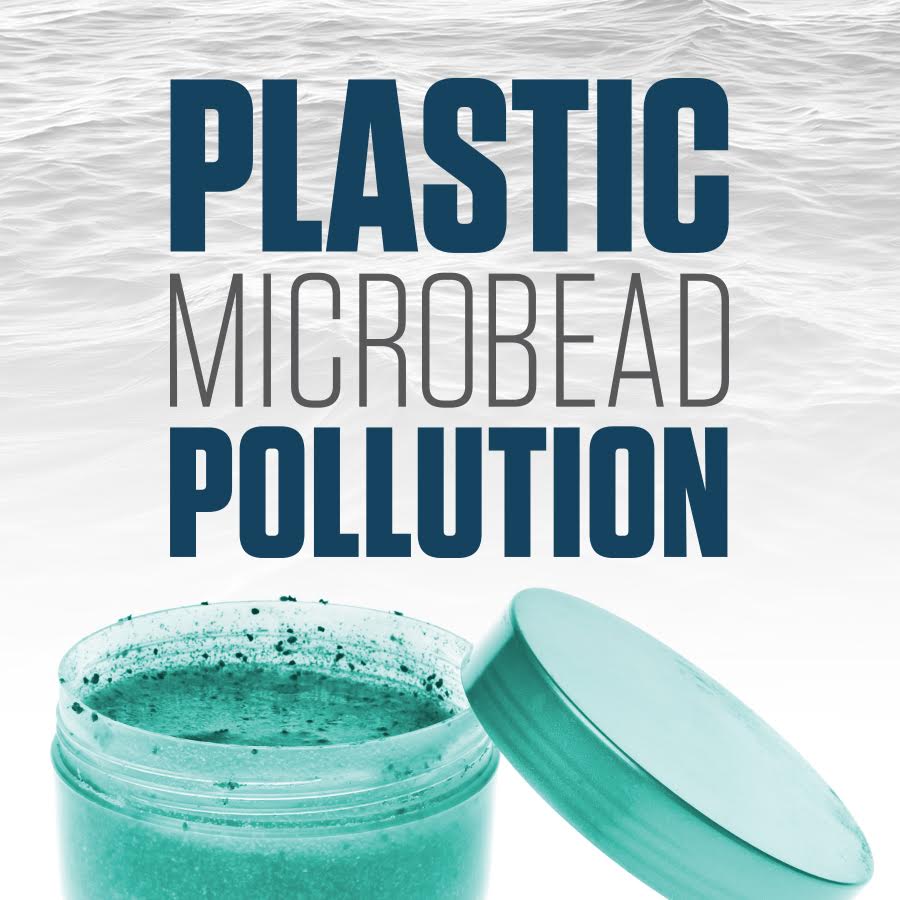
Congress Bans Plastic Microbeads, Bill Heads to President Obama’s Desk

Microbeads Continue to Menace the Ocean

Published

On Friday, December 18th history was made. The Senate approved a bill - which is now awaiting the President's support - to phase out personal-care products such soaps, body washes, toothpaste and more, containing plastic microbeads in 2017.

(note from Melanie:  The bill phasing out the manufacture of beauty products with plastic microbeads by July 1, 2017, and the sale of such products by July 1, 2018. The Microbead Free Waters Act (H.R. 1321) bans all plastic microbeads in beauty products, including those made from so-called “biodegradable plastics,” the majority of which do not biodegrade in marine environments.)

This comes on the heels of the House of Representatives' decision, just one week earlier, to pass a bill to ban microbeads too, including so-called "biodegradable" plastic microbeads.

Why is everyone working to "ban the bead?" Super tiny, but insidiously dangerous, these long-lasting micro-plastic particles wash down our drains, and because they are too tiny to be filtered by municipal sewer systems, they travel directly into the ocean. That is when the real damage begins.

Often mistaken as fish eggs, marine life "eat" the microbeads, which are known to absorb toxins. But things don't stop there. The toxin-filled microbeads travel up the food chain to us, as we're likely to then eat seafood that have ingested these microscopic bits of plastic.

Nine states have already outlawed microbeads and it is great to see a ban being considered at the federal level. But some are questioning if the laws are moving fast enough. The federal bill, if it becomes law, isn't slated to go into effect until 2017 and California, one of the largest states to pass a law, which happens to be one of the most stringent, is set to start in 2020.

Even with all this progress, the question that must be asked is, "What damage will occur before the microbead bans go into effect?"

Here are some facts to consider:

1. Researchers at State University New York, Fredonia calculated an average of 17,000 microbeads per square kilometer in Lake Michigan.

2. A report published by the College of Science at Oregon State University found that eight billion microbeads are sent into aquatic environments each day in the U.S. This number translates to approximately 2.9 trillion beads per year, which according to an article written by Oregon State University is "enough to wrap the Earth more than seven time if lined up end to end."

3. Science Alert equates the eight billion microbeads sent into our waters each day as "enough to cover more than 300 tennis courts."

4. Litter, including plastics and microbeads, are already costing each one of us. The Natural Resources Defense Council estimates that 95 communities in California have already spend $428 million per year to prevent litter from becoming pollution. Imagine what total cost would be for all of California, or the rest of the United States! By avoiding waste in the first place, this money could be put toward other issues. We just need to make better choices when it comes to avoiding single-use plastics and microplastics in the first place.

For these reasons, there is no need to wait for laws to pass and be enacted. Each of us can stop microbeads from entering our waters today. It's simple. Do not buy products - ranging from toothpaste to body scrubs to face wash - that contain them. It's time to start checking your labels. If you see the words "polyethylene" or "polypropylene," which represent microbead materials, choose another item.

While each of us take personal action to become more thoughtful consumers and shoppers, the Surfrider Foundation will continue to advocate for microbead regulation while we wait for President Obama to sign this bill into law. It's all hands on deck to rid the world of this senseless and avoidable form of plastic pollution.
2015-12-22-1450804542-5421290-unnamed.jpg

Thursday, May 21, 2015

Toxic Plastic Found in the World’s Favorite Fish

Researchers discover that tuna and swordfish are eating microplastics contaminated with harmful chemicals.

(Photo: David Fleetham)
 
Published in Take Part.com May 07, 2015
 
John R. Platt covers the environment, technology, philanthropy, and more for Scientific American, Conservation, Lion, and other publications.
For the first time, plastic particles have been found in the stomachs of tuna and other fish that are a staple of the human diet.

More than 18 percent of sampled bluefin, albacore, and swordfish caught in the Mediterranean Sea and tested in 2012 and 2013 carried levels of plastic pollution in their bodies, according to a study published in the journal Marine Pollution Bulletin.

All three species migrate between the Mediterranean and the Atlantic Ocean, so these plastic particles could make their way onto the plates of American consumers. The plastics found in the fish contained phthalates, nonylphenol, bisphenol A, brominated flame retardants, and other chemicals that previous research has linked to endocrine disruption, low reproductive rates, and other health risks.

A 2010 study by French and Belgian marine biologists estimated that 250 billion pieces of microscopic plastic were floating in the Mediterranean. A 2014 expedition by Gabriel Gorsky of Pierre-et-Marie Curie University found that “there is not one parcel of the Mediterranean Sea that is devoid of plastic or plastic fragments.” Another study published last year estimated that all of the world’s oceans combined carry more than 5 trillion pieces of plastic pollution.

The current study of large pelagic fish (which live in the open sea, away from the shores or the bottom of the ocean) examined 56 swordfish, 36 bluefin, and 31 albacore that had been caught in the Mediterranean. Of those fish, seven swordfish, 11 bluefin, and four albacore contained plastics in their stomachs.

The plastics varied in size from large pieces more than 25 millimeters wide to microplastics smaller than 5 millimeters. The swordfish were more likely to have ingested large fragments of plastic, while the albacore ingested mostly microplastics.

Most of the pieces were white or transparent, while some “yellowish” plastics were found in the stomachs of the swordfish and bluefin.

As large, “top of the food chain” predators, the fish could have picked up plastic that had first been eaten by smaller fish; a study published last year found that Mediterranean bogue, an important prey species for swordfish, ingest large quantities of microplastics. The researchers, from the Institute for Environmental Protection and Research in Italy, wrote that other plastics could have been ingested while the tuna chased schools of prey fish into shallow waters, where floating plastics are more abundant.
Although this study did not examine the effects of all this plastic, the authors did pose questions about how the toxic chemicals they contained could affect the health of the three fish species or the humans that ate them.

“Data continues to mount about the pressing problem that plastics pose for our ocean environment,” said Alison Chase, oceans program senior policy analyst for the Natural Resources Defense Council. “Plastic litter simply doesn’t belong in the ocean. It often looks like food to animals, may contain and soak up toxins like PCBs and pesticides in marine sediments, and can potentially be passed on to people when we eat seafood. We need to stop treating our oceans like a trash can and reduce the amount of plastic we produce and that reaches our waters.”

Thursday, October 9, 2014

Bag Bans Will Keep Harmful Plastic Out of the Ocean

Published October 7, 2014 by Peter Lehner in the Natural Resources Defense Council staff blog

Like anyone who spends time in the water, I’ve had more than a few unpleasant encounters with floating trash. Abandoned dinghies, nets, buoys, mylar balloons, dead birds and fish, and above all, plastic. Around the world, people dump about 20 million tons of plastic into the ocean every year, much of it in the form of flyaway plastic bags. This waste doesn’t get magically swallowed by the ocean--it lingers indefinitely, posing a threat to marine life and to human health.
 plastictrash_mink.jpg
(Soft Drink Cans and Plastic Bottles Going for a Swim, by Mink, Creative Commons BY-NC-SA 2.0)

Picking up garbage in the ocean is an expensive proposition, so the smart solution is to stop this waste at its source. That’s why California—with its 840-mile coastline and a 13-billion-bag-a-year habit, just became the first state in the nation to ban single-use plastic bags.

As vast and powerful as our ocean seems to be, it is vulnerable. For one thing, plastic in the ocean doesn’t disappear. Those flimsy bags that tear so easily under the weight of a milk carton stay intact for decades in the ocean, where they can hurt marine life as well as human health. Whales and turtles mistake floating bags for squid or jellyfish, and seabirds, like albatross, feed bits of plastic to their chicks—eating plastic can lead to starvation, malnutrition, or internal injuries. Some plastics contain toxic substances that can kill or harm reproduction in fish, shellfish, or any marine life.

The prevalence of plastic in the ocean has scientists concerned not just for marine ecosystems but for human health as well. Plastic doesn’t degrade completely—it’s pretty much around, in some form, for centuries. Plastic debris absorbs and concentrates toxins from seawater. When sea creatures eat plastic, those toxins accumulate in the food chain, putting human health at risk.

Plastic waste hurts city budgets, too. NRDC reported last year that 95 California cities, coastal and inland, spend nearly $500 million a year to clean up litter and keep trash out of waterways. The recycling rate for plastic bags, wraps, and the like is only about 12 percent.

My NRDC colleagues in California have been working with a broad coalition of environmental and community groups, retailers, and Latino leaders to develop smart, thoughtful legislation to reduce the burden of plastic pollution and protect California’s valuable ocean resources. The law Governor Brown signed last week will ban the distribution of single-use plastic bags from groceries and pharmacies starting in July 2015, and liquor stores and convenience stores from July 2016.

Customers who don’t have their own bags will still have the option of buying a compostable plastic bag, a recycled content paper bag, or other reusable bag for 10 cents. The fee will be waived for low-income shoppers who participate in the state food program. What’s more, the law includes an appropriation of $2 million to create and retain jobs by helping manufacturers of single-use plastic bags switch to production of durable, reusable bags.

California is the first state to ban throwaway plastic bags, but this move started in the cities. San Francisco was the first U.S. city to ban the bag back in 2007. Today, more than 150 cities and counties are implementing bans or fees on bags to reduce plastic waste, including Chicago, New York, Austin, Dallas, much of Hawaii, and Washington, D.C. Scaling these changes up to the state level—especially in a big, coastal state like California-- makes a real difference in protecting our oceans. Keeping 13 billion bags out of the water every year is a very good start.

 [This post is part of our Wasteland series, featuring people, towns, businesses and industries that are finding innovative ways to cut waste, boost efficiency and save money, time and valuable resources.]

|

Comments (Add yours)

Guthrum — Oct 7 2014 06:40 PM

Banning plastic bagging, while well intentioned, could have unexpected results. I have shopped at some stores that do not offer bagging of any kind. So what do people use to carry their groceries out in ? I have seen many use small garbage bags: again, plastic. Many are bringing in paper bags that some stores hand out freely: using more paper, made from trees. Some have non-disposable bags made from - plastic ! These do get worn, dirty, and end up in the garbage. Some bring cardboard boxes: paper again.
So any benefits from this law are going to be miniscule, and may actually make things worse. This was someone's bright idea that sounded great and gets a lot of news coverage, but won't make any difference.

Sam — Oct 8 2014 09:33 AM

I find it amusing that plastic bags are banned in a country where guns are mostly legal. If it is the human who pulls the trigger that you hold responsible for murder, why not hold the person who litters responsible? Or rather, why not educate people to be careful with their litter if they're really dumping plastic bags and other trashes in waterways and whatnot? And fine them if they are caught littering!
But more likely, the question should be, whose trash is it that ends up littering the ocean? I'd bet good money that most of them originate from people living in less developed or developing countries. So really, this policy will do nothing to change anything about ocean littering.

john craig — Oct 8 2014 12:49 PM

i used the same paper lunch bag for almost a year - then composted it. paper and cardboard can be made from hemp, is very environmentally friendly and sustainable.

Julie — Oct 8 2014 06:35 PM

Bag bans absolutely make a difference. In the community where I live (fairly affluent community in Northern California) bag litter decreased by over 90% in our creeks and on streets. Purchasing behavior also changed. People bringing their own bag increased from 35% to almost 80% and that was with just a ten cent charge. Every City that has passed a bag ban reports similar results. And people shopping at mega stores like Costco haven't received a bag for years and fared just fine, just a shoppers in Europe have for decades.
Product bans work. Or oceans and future generations deserve us doing our best to reduce plastic litter.And consider that 80% of our ocean litter comes from land. If we're not part of the solution we are part of the problem.

Susan Alter — Oct 8 2014 11:59 PM

I used to work on the Olympic Peninsula in Washington State, and I was constantly picking up the leavings of visitors and cleaning up after loggers. Small streams, ponds, lakes and other waterways would become clogged with garbage and other debris left behind, because some people are just crude or careless. They will have pristine yards and dirty Parks all over the world. Sometimes wildlife is affected, because they die from being entangled in it or are poisoned by some substance carelessly discarded. I really have a great deal of respect for folks that are respectful and clean up after themselves. Thank you to those civilized and decent people.

Paula Johnson — Oct 9 2014 07:12 AM

$.10 a bag? most will spend $.10 per bag at a grocery store for bagging purchases? Or recycling used bags until they wear out? This is a societal solution for keeping one type of litter off the shoreline? Very interesting solution to a problem of establishing a ethical standard of individual behavior.
social utility assumes a measurable benefit vs. a cost. Sadly, this has no premise to improve the pollution of the shoreline, nor the costs of keeping the shoreline clean. simply the social utility of passing the costs to all persons.
Look for the solution: Instilling a reverence for our planet and understanding our relationship with it and our societal expectation that we treat it with great respect. Spend the money in education of our populace.

Monday, June 4, 2012

Local Victories to End Plastic Pollution and Protect our Oceans lead to Global Opportunity at Rio+20

Posted May 29, 2012 in NRDC.org by Leila Monroe

|
The world’s environmental problems can seem overwhelming, but I often find hope and inspiration in local victories.  Local victories, when aggregated, can lead to major global change by informing, motivating and spurring action from leaders the world over.

An excellent example of local victories inspiring global action is the effort to stem the tide of plastic pollution that plagues our rivers, coasts, and oceans.

Last week, clean seas advocates won a major victory in California when Los Angeles became the largest city in the United States to ban plastic bags at supermarket checkout lines.  This law will phase out plastic bags from 7,500 stores in a city of roughly 3.8 million people.

Plastic that ends up as pollution in the ocean (sometimes known as "marine debris") has serious consequences for marine life and possibly for the food chain and human health.  Hundreds of species and thousands of individual animals -- including significant numbers of endangered species such as Hawaiian monk seals and every species of turtle -- have been killed or seriously harmed by being entangled or ingesting plastics.

A California sea lion entangled and injured by discarded fishing line. Image courtesy: Marine Photobank, © 1990 Bob Talbot, LegaSea Project

Plastic bags are among the most problematic forms of plastic pollution because they are so lightweight and commonly blow out into the environment.  It  cost cities significant amounts of money to remove them from clogged storm drains and beaches.  They are one of the most difficult forms of plastic packaging to recycle, which is why stronger controls are needed.

The solutions advanced in places like Los Angeles can be shared and adopted in cities, states, and even nations around the world.  To create this local-to-global solution network, NRDC launched a campaign, the Global Call and Commitment to End Plastic Pollution, to provide a platform for sharing commitments from governments, business, and organizations, which we will showcase at the Rio+20 Earth Summit in June.  Examples of pledges that can be made include the following::
  • Government and businesses can commit to enacting laws and policies that make the producers of packaging responsible for recycling it at the end of its useful life.  This creates an incentive to use less packaging or it helps create more recyclable packaging. These kinds of laws are in place throughout Canada and the European Union.
  • Some products, like plastic bags and polystyrene foam containers, are so difficult to clean up or recycle, they have been banned or phased out in favor of reusable materials.  These measures are in place in many locations, from many U.S. cities to Rwanda to parts of China, Australia, Ireland, Italy, and the Philippines.   
  • Public education and good alternatives to disposable plastics are also needed to shift consumer behavior, but consumers and taxpayers need businesses and government to create better choices.
We are excited to showcase some of these solutions at an event called the Plasticity Forum at the Rio+20 Summit, on Thursday June 21.  Whether you can attend the Earth Summit or not, you can encourage your leaders in government, business, and organizations to join the Global Call and Commitment to End Plastic Pollution.  

NRDC is advocating for the collection of all of the promises made by communities, corporations, and countries at the Earth Summit into what we calling the  Cloud of Commitments.  This is a web-based platform  that will enable the world to start to track the progress we are making towards a sustainable future.  This is the kind of real action that will make Rio+20 a success.


Creative public education from our friends at Heal the Bay.